Everything, newest first
Every piece and figure profile we've published, in one stream. Browse by thread from the nav, or by topic from the footer — older pieces stay reachable forever.
Children of Blood and Bone: Inside a Film Adaptation Announcement
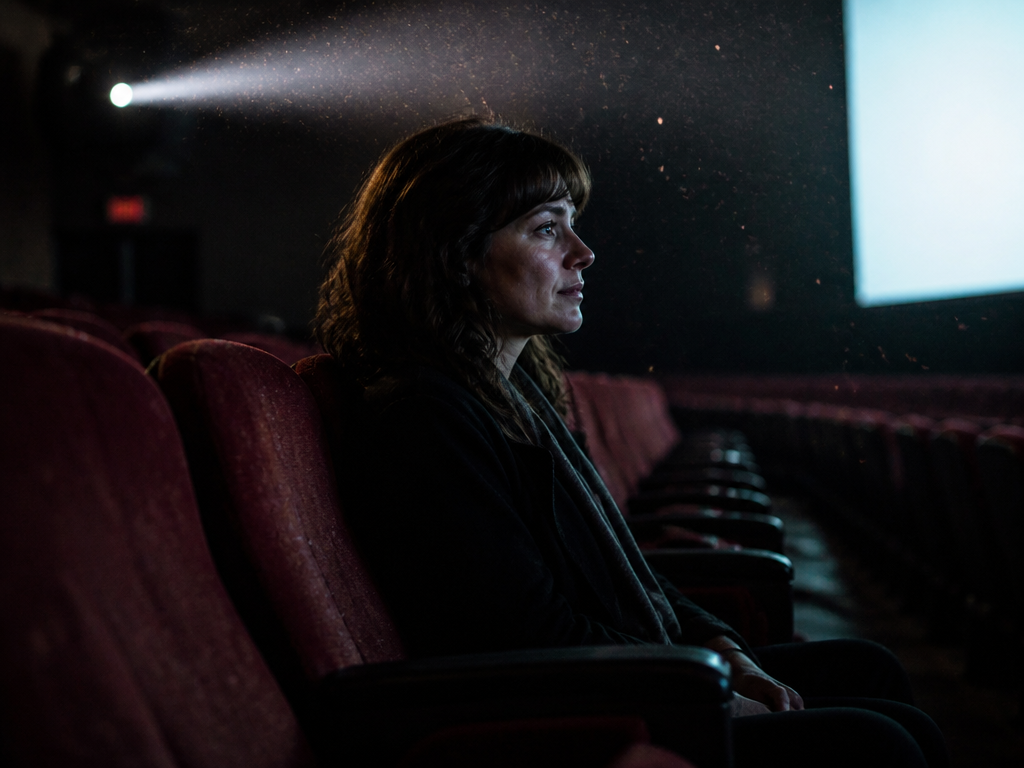
A teaser plays before whatever you actually queued up. Ninety seconds, a drum figure under the studio logo, and a single word held on screen long enough to read: Orïsha.
Adinkra Symbols in Stone: How Ghana Buries Its Great Men
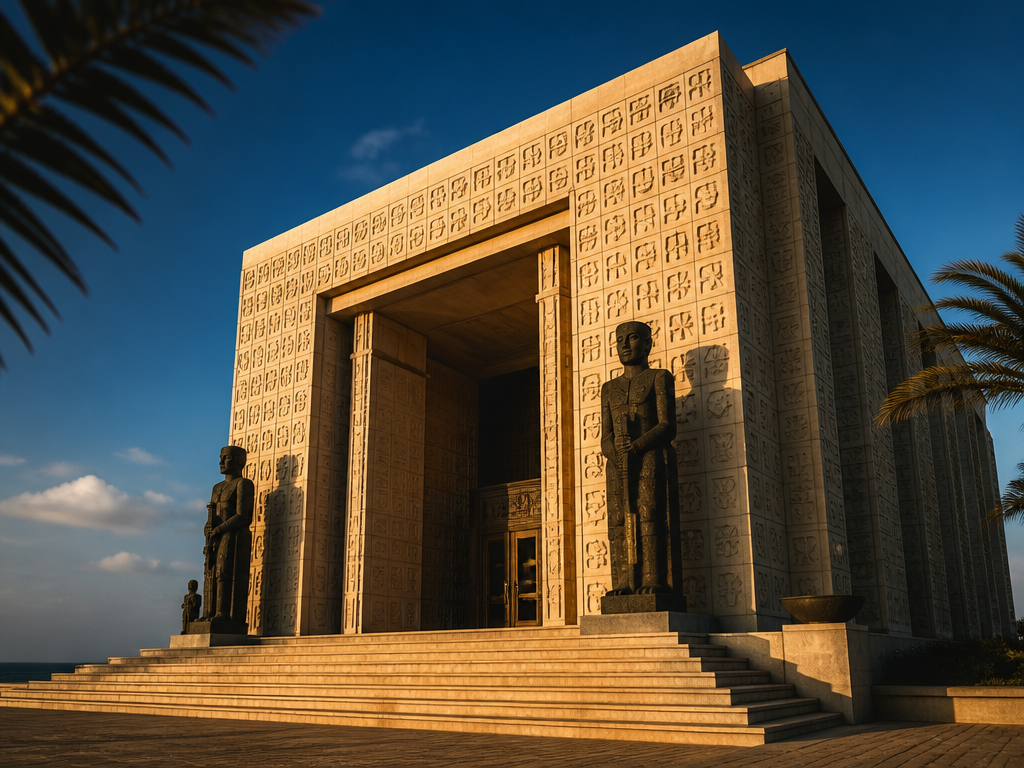
Drive west out of Accra along the coast road, past Kasoa and the roadside furniture stalls, and at Gomoa Mpota you come to a building that does not look like a tomb.
Netflix Releases and African Mythology: Who Gets Named
On a wet Saturday in August I did something unscientific with an evening's worth of Netflix releases.

The Character Arc and Orisha: What Film Adaptation Changes
There is a question asked in every story meeting, every workshop, every notes call: what does she want, and who is she by the end? It sounds like common sense.
Yoruba Indigenous Religion in Church and Mosque: The 1% Gap
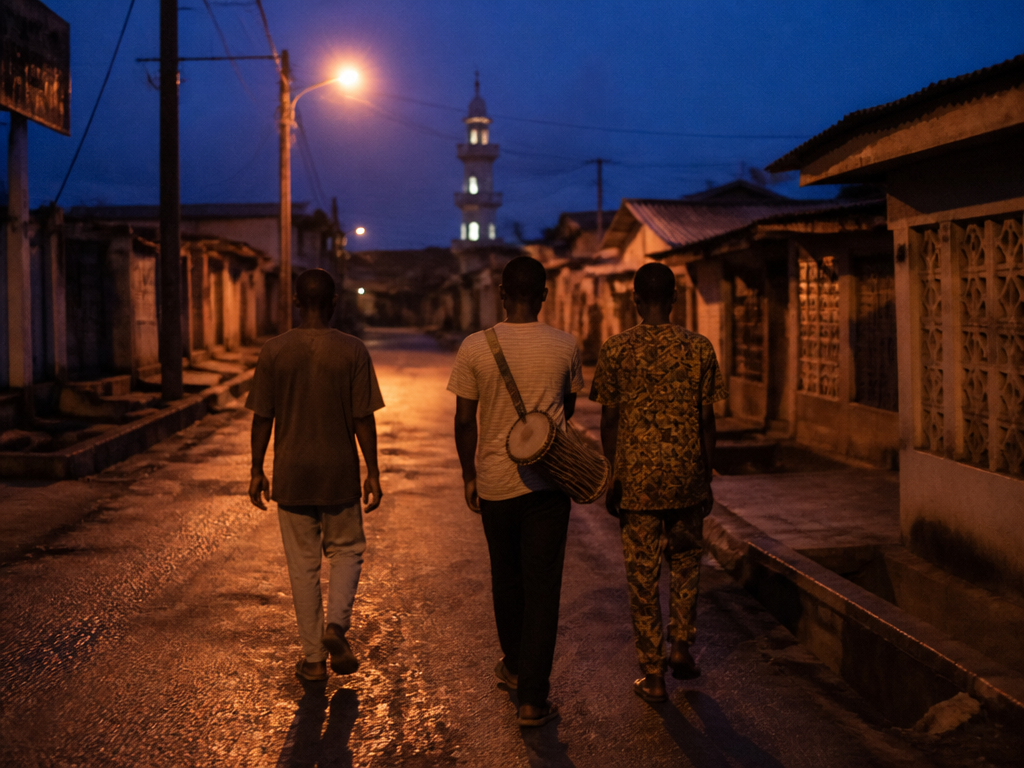
Around four in the morning during Ramadan, in the older quarters of Ìbàdàn and Ilọrin, a small band walks the street playing people awake for the pre-dawn meal. The music is called wéré, or ajísáàrì.
Jungian Archetypes in African Myth: A Diaspora Reader's Guide
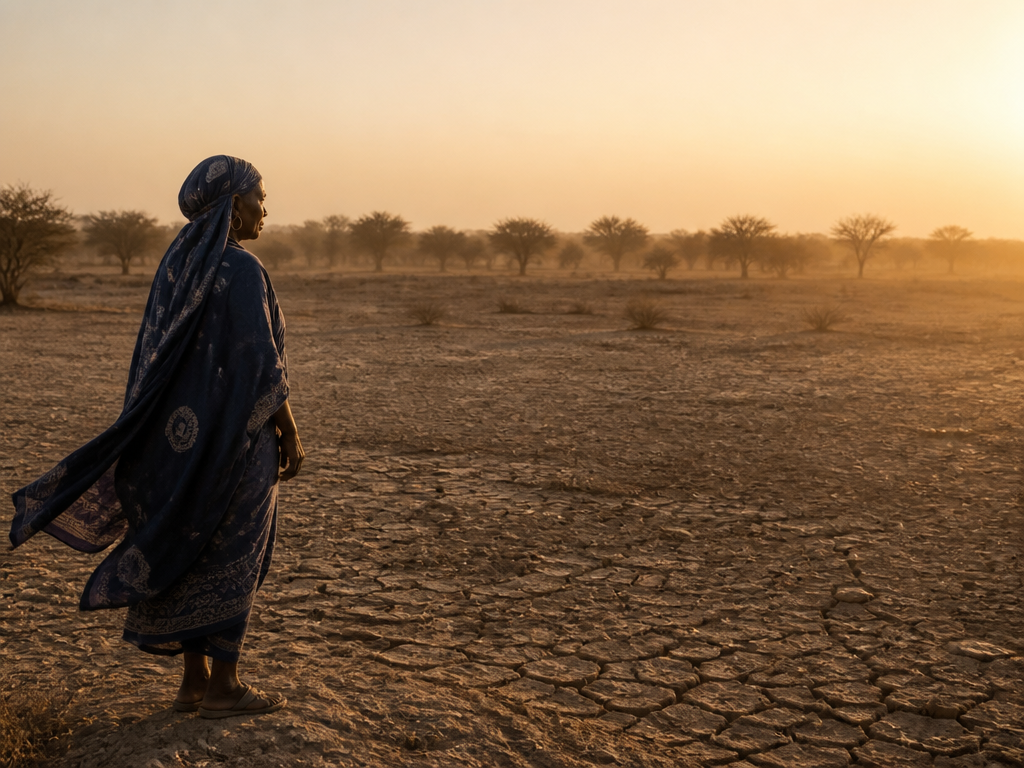
African myth does not illustrate Jungian archetypes. In several places, it corrects them. That is a large claim to open with, and the rest of this piece is me earning it.
African Folklore in Contemporary Storytelling: Who Narrates
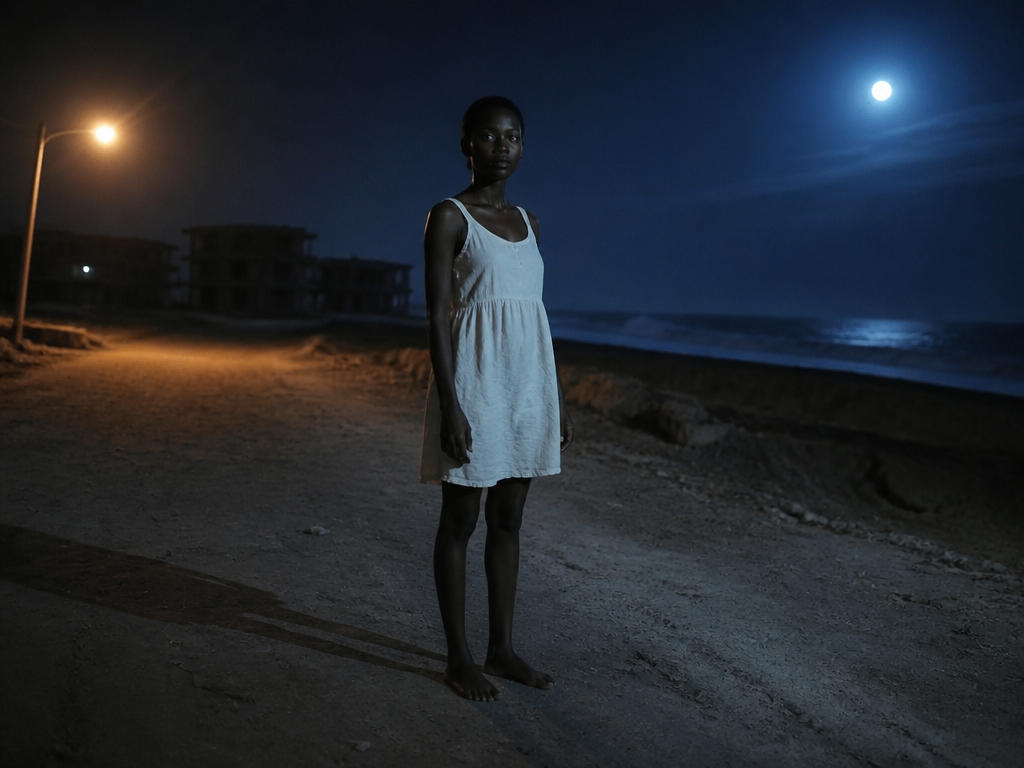
Late in Atlantics, a line of young women leave their beds in a Dakar suburb and walk to the house of the developer who never paid their boyfriends. Their eyes have gone white.
Adinkra Symbols: What Akan Cloth Says on a City Wall
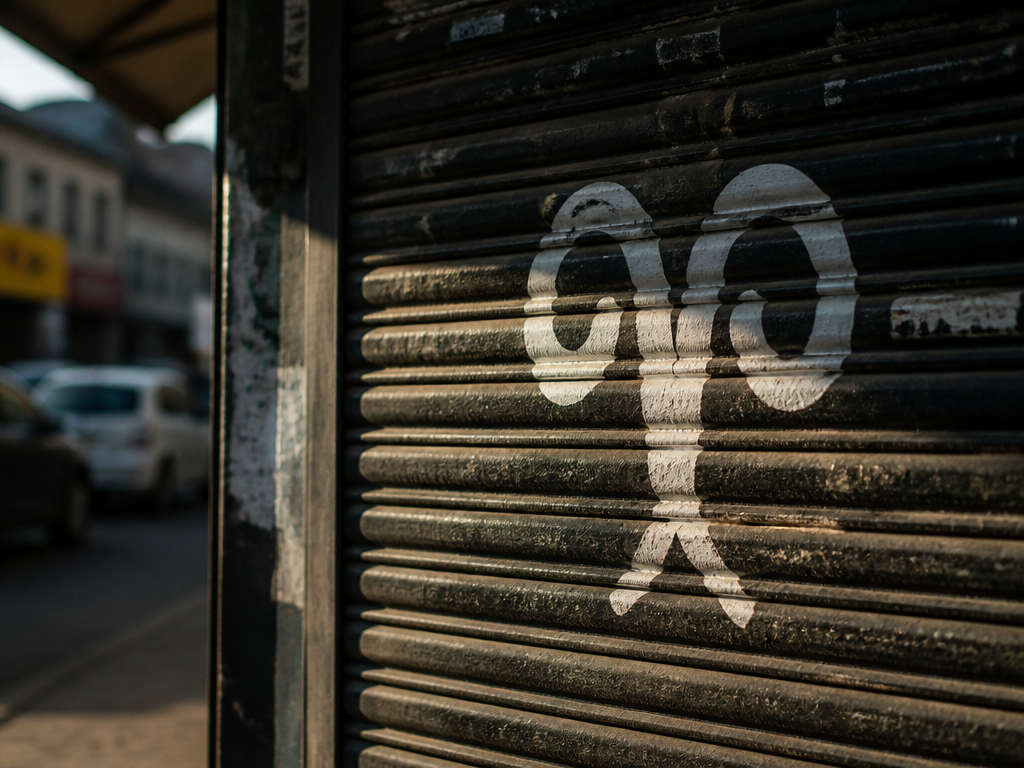
The first one most people meet is a curl of black lines that looks like a knot tied in the air: two hooks facing away from each other, joined at the base.
African Mythology in Fiction: How the Story Reaches the Page
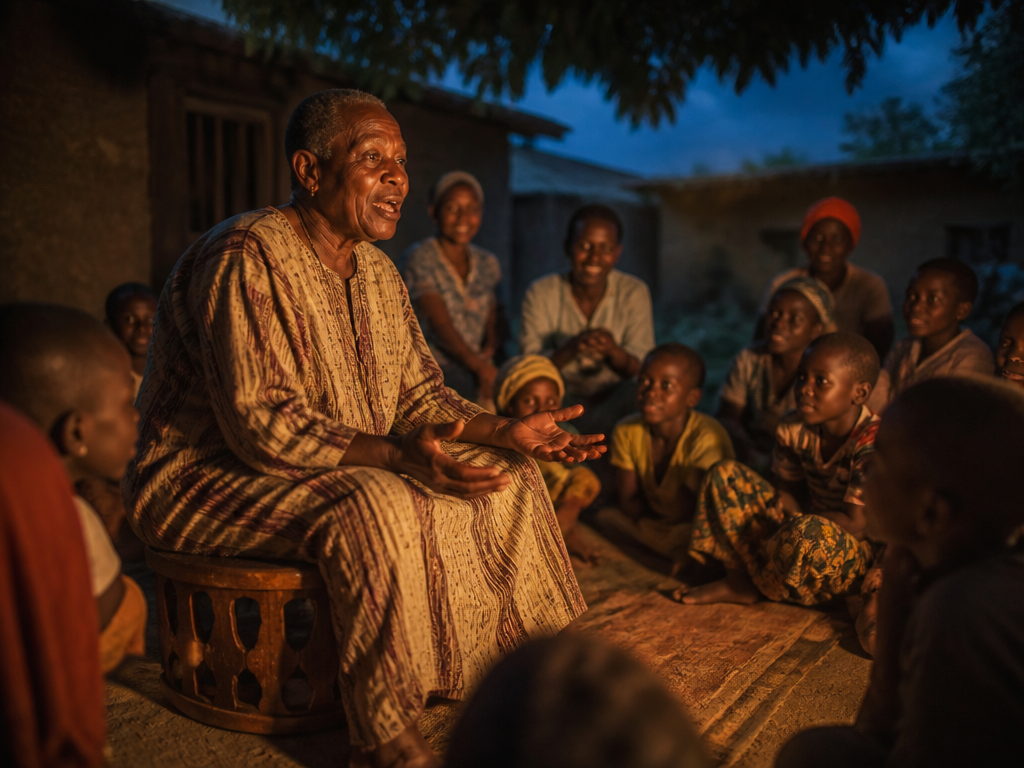
In a Yoruba household, a story does not start on its own. The teller calls out "Àlọ́ o" — roughly, a tale — and the room has to answer "Àlọ́" before anything happens.
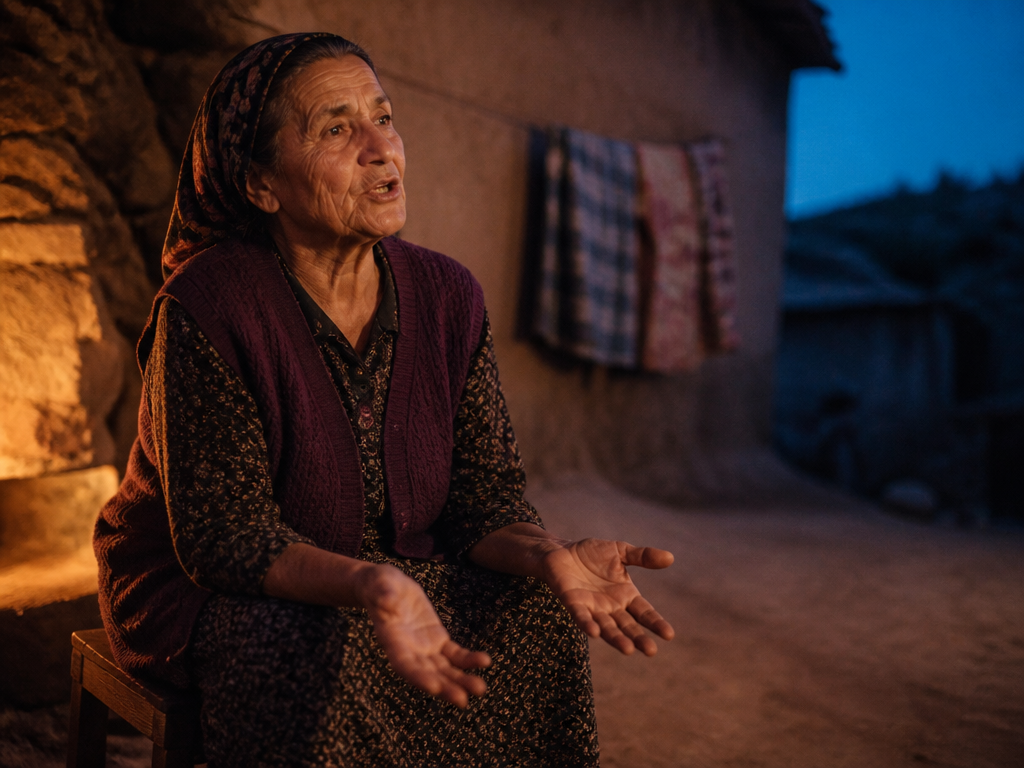
Black Folklore: Why the Teller Keeps Stepping Out of the Story
Before the tale begins, the teller says a strange thing. We do not really mean, we do not really mean, that what we are about to say is true.