What Nobody Tells You About Overgrips for Sweaty Hands
You're up 4-2 in the second set. You've held serve twice, broken once. You toss the ball, and as you load into your knee bend, you feel the handle rotate in your palm.

You're up 4-2 in the second set. You've held serve twice, broken once. You toss the ball, and as you load into your knee bend, you feel the handle rotate in your palm. Not the racquet turning in your hand from a heavy ball — the grip itself shifting under your fingers. You catch the frame on the way down, dump the ball in the net, and spend the next changeover trying to dry your palm on your shorts, then your towel, then your shorts again.
I've been there. If you're reading this, you've been there too. And if you've already tried one or two overgrips and still feel the handle slipping mid-shot, the problem isn't you. It's that every tennis shop displays grips the same way: shiny packages, promises of "maximum tack," and a rack of indistinguishable colours. Nobody tells you that most overgrips are designed for one of two jobs, and the job you need is rarely the one you think.
Here's how I make the decision now, after years of testing them in match conditions — on clay, on hard courts, in the coastal humidity that turns a dry grip into a wet rag in twenty minutes.
What Most People Do
The default move is to buy whatever overgrip is at the front of the pro shop display. Usually that's a tacky, slightly rubbery grip — something that feels sticky out of the package. You wrap it tight, take it on court, and for the first set it feels great. The handle stays put. Your two-handed backhand doesn't drift. You think you've solved it.
Then you start to sweat.
Tacky grips work by being slightly adhesive against your palm. That's fine when your hand is dry. When your hand is wet, the tackiness mixes with sweat and creates a slick film — like touching the sticky side of tape that has picked up enough dust to lose its grab. The grip doesn't absorb the moisture; it just sits on top of it. By the middle of the second set, you're squeezing harder to compensate. Your forearm gets tight. Your serve loses its snap. You blame your technique. But your technique was fine — your grip was turning your hand into a stranger to the racquet.
Most people also apply the overgrip badly. They pull it taut like they're wrapping a handlebar, which stretches the material and thins it out. Then they finish with a strip of finishing tape that peels off by the third game. Then they buy another grip next week.
What the Evidence Suggests
There are two categories of overgrip that actually work for sweaty hands. You need to pick one.
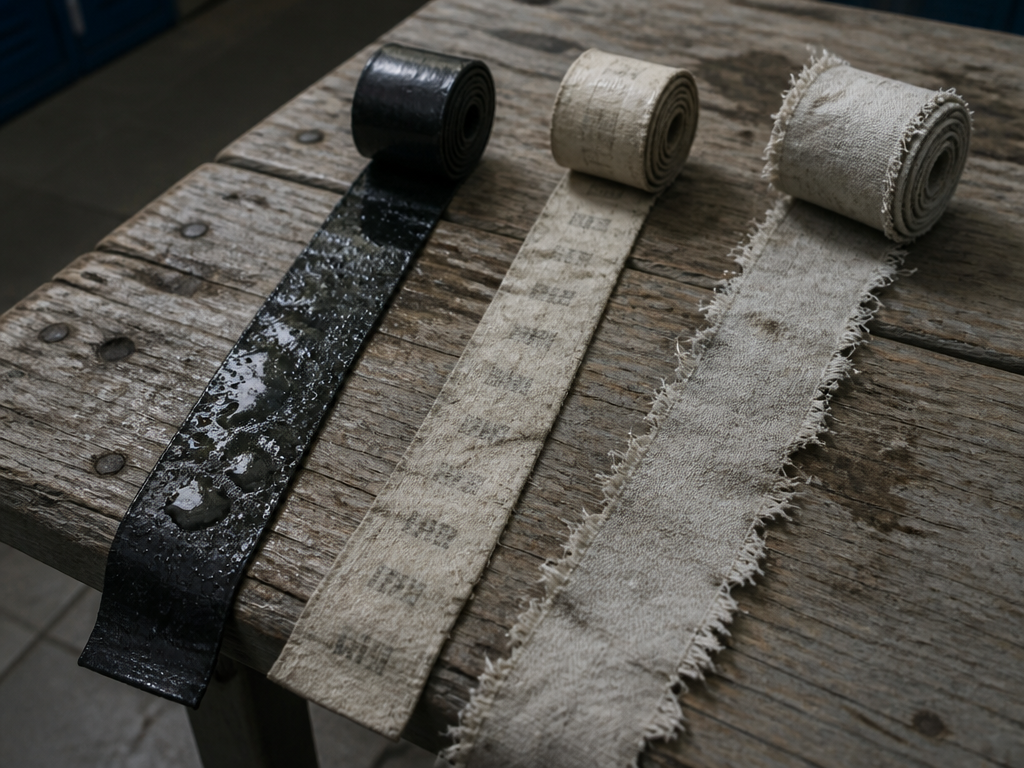
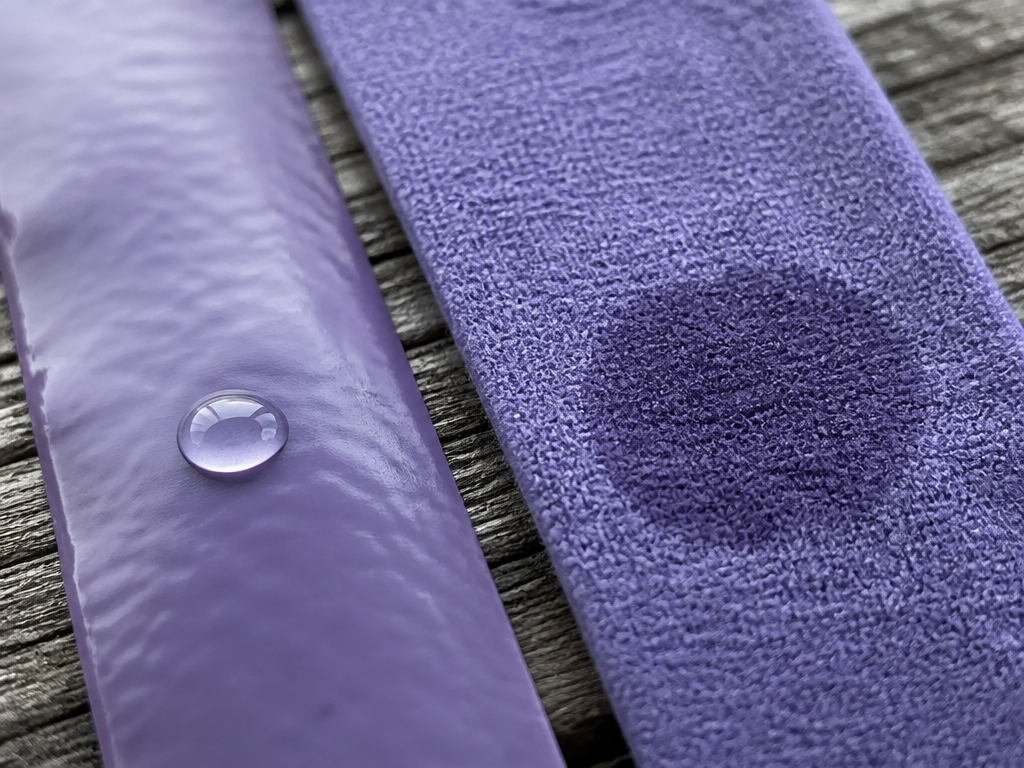
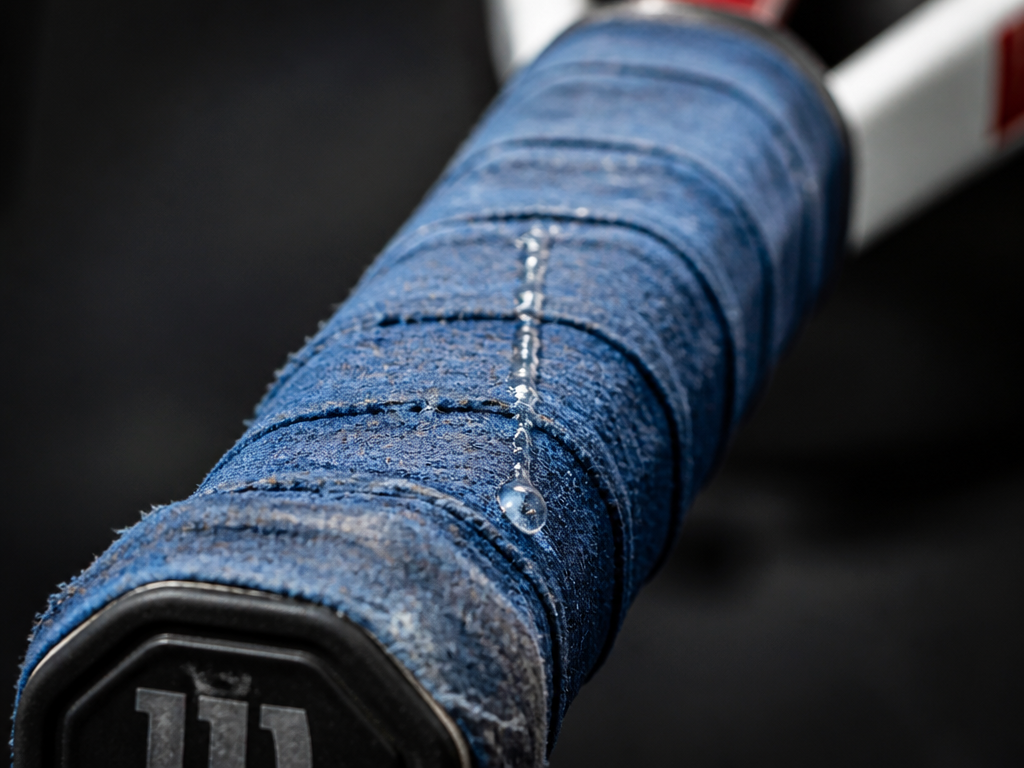
Category one: dry-absorbent. These grips feel almost papery or suede-like when you first touch them. They aren't sticky. They are thirsty. They wick moisture away from your palm and hold it in the material so the surface of the grip stays dry against your skin. The classic here is Tourna Grip — the blue one, the original. It looks and feels like thin gauze. You wrap it, you sweat on it, and it gets more grippy as your hand wets out. The downside is durability: a Tourna grip lasts two matches at most before it compresses and starts shedding its fibres. You'll be rewrapping often.
Category two: tacky-wet. These grips are designed to stay sticky even when wet. They use a different polymer chemistry — they don't absorb sweat, they repel it. The water beads and runs off, while the grip maintains its adhesion. The best example is Yonex Super Grap. It feels smooth and slightly rubbery when dry. When you sweat on it, the grip holds. This is the grip that made me abandon Tourna after a decade, because I was tired of rewrapping every Saturday. Super Grap lasts three to four times longer. But — and this is the trade-off — it doesn't feel as secure on a soaking-wet palm as a fresh Tourna does. It stays in place, but the feel is different. Less locked-in.
The evidence, gathered from a lot of lost changeovers and a dozen grip rolls, says this: if you sweat heavily and play short matches (or re-grip before every session), go dry-absorbent. If you sweat moderately and want a grip that lasts a fortnight of competitive play, go tacky-wet.
What I Actually Do
After years of rotating through five or six brands, here is my routine. It costs about ten minutes per week and the price of one extra overgrip per month.
I use two different grips for different conditions.
For dry days or indoor courts, when sweat comes slow, I use Yonex Super Grap. I wrap it with nearly zero tension — just enough to keep the material flat, not stretched. A stretched grip loses its cushion and its wet-weather behaviour. I let the overlap do the work. The result is a grip that feels plush, lasts six to eight matches, and never gets slippery because it never gets soaked in the first place.
For humid outdoor play, or any match where I know I'll be wringing sweat out of my wristband, I use Tourna Grip. But I don't re-grip before the match. I re-grip the night before. Tourna needs to "settle" — a fresh wrap is too slick for the first half-hour because the fibres haven't begun absorbing yet. If you wrap Tourna and play immediately, you'll hate it. Wrap it, hit for ten minutes against the wall, let it sit overnight, and play the next day. Then it does its best work.
I keep my hands drier before the point starts.
This sounds obvious. Nobody does it. Between points, I wipe my palm on my towel, then I dry the towel-side of my hand on my shorts — not the palm. The palm goes back on the grip clean. I also switched to a wristband I actually wash. A salt-crusted wristband just wets your hand again the second you wipe. Two wristbands, one on each wrist, rotated. Cheap fix. Massive difference.
I change the grip when I feel the first slip, not after the match.
That first moment where you feel the handle rotate in your hand — that's the expiration date. If you wait, you'll spend a set and a half gripping harder, altering your swing unconsciously, and wondering why your forehand landed short. Change it. Carry a spare in your bag. A fresh overgrip is cheaper than a lost match.
The finish tape stays on.
Most players wind the finishing tape loosely, or trust the grip's own adhesive strip. Neither works. I use a half-inch strip of electrical tape — the black stretchy kind — wrapped one and a half times around the top of the grip. It doesn't slide, it doesn't peel, and it doesn't leave residue. That one piece of tape keeps the whole grip from unraveling when the adhesive strip gives out mid-match.
Drill It
Go to the wall with two racquets. One with a fresh overgrip, one with a grip that has five or six matches on it. Hit twenty forehands with each, alternating. Don't look at the grips. Feel them. Notice when you start to hold the older one tighter, when your fingers curl more, when the ball starts landing short. That feeling is your signal. That's the exact moment you should have changed it before you walked on court.
A Small Table for Your Bag
| Grip type | Best for | Change frequency | Unwrap tension |
|---|---|---|---|
| Dry-absorbent (Tourna) | Heavy sweat, humid, short sessions | Every 2 matches | Medium — don't stretch |
| Tacky-wet (Yonex SG) | Moderate sweat, longer life, indoor | Every 6-8 matches | Light — just lay it flat |
Who This Is For / Who It Isn't
This is for you if you've lost a match because you couldn't trust your grip. If you've ever changed your grip mid-point and framed an easy volley. If you keep your racquet in the bag between games and still feel the handle wet when you pull it out.
This isn't for you if you go through a can of balls in two months. If your hands stay dry. If you're still using the factory grip that came with your racquet. In that case, you don't have the problem. When you get the problem, come back.
Here's what I'd like you to try this week. Buy one roll of Tourna Grip and one roll of Yonex Super Grap. Wrap one racquet in each. Play a practice set or two and swap between changeovers. Don't decide which is better — just notice how each one behaves when your hand gets wet. That information is worth more than any review. By the end of the week, you'll know exactly which camp you're in. And you'll stop blaming your forehand for something your grip could have fixed.