Jungian Archetypes and the African Mother: How Authority Forms
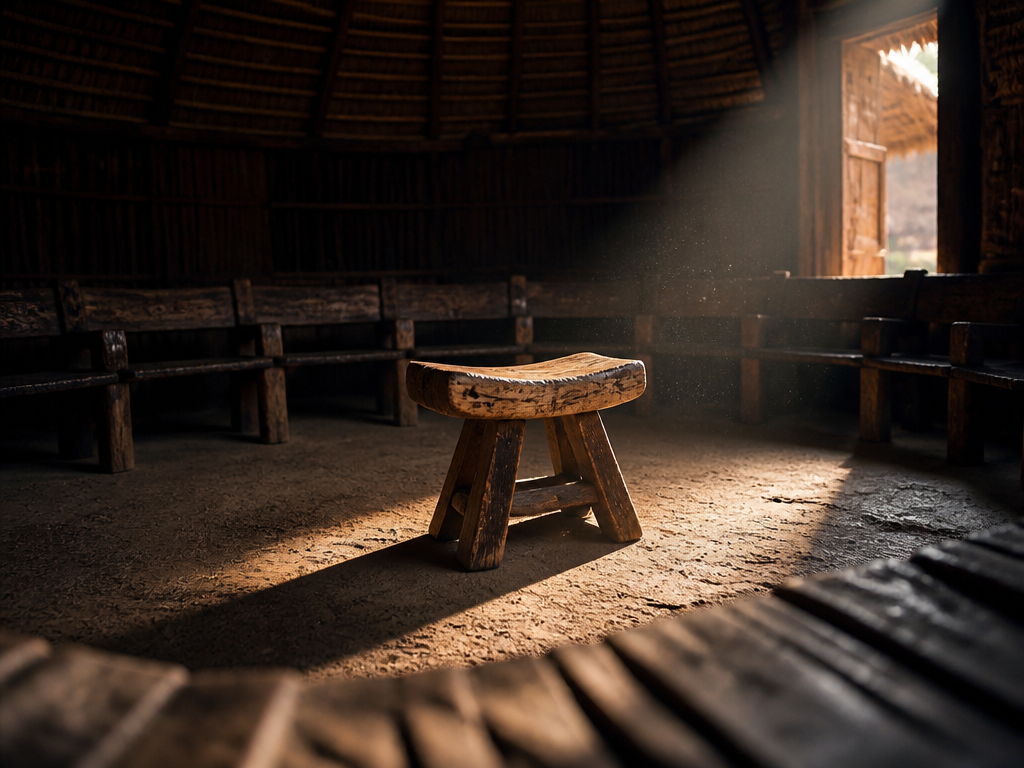
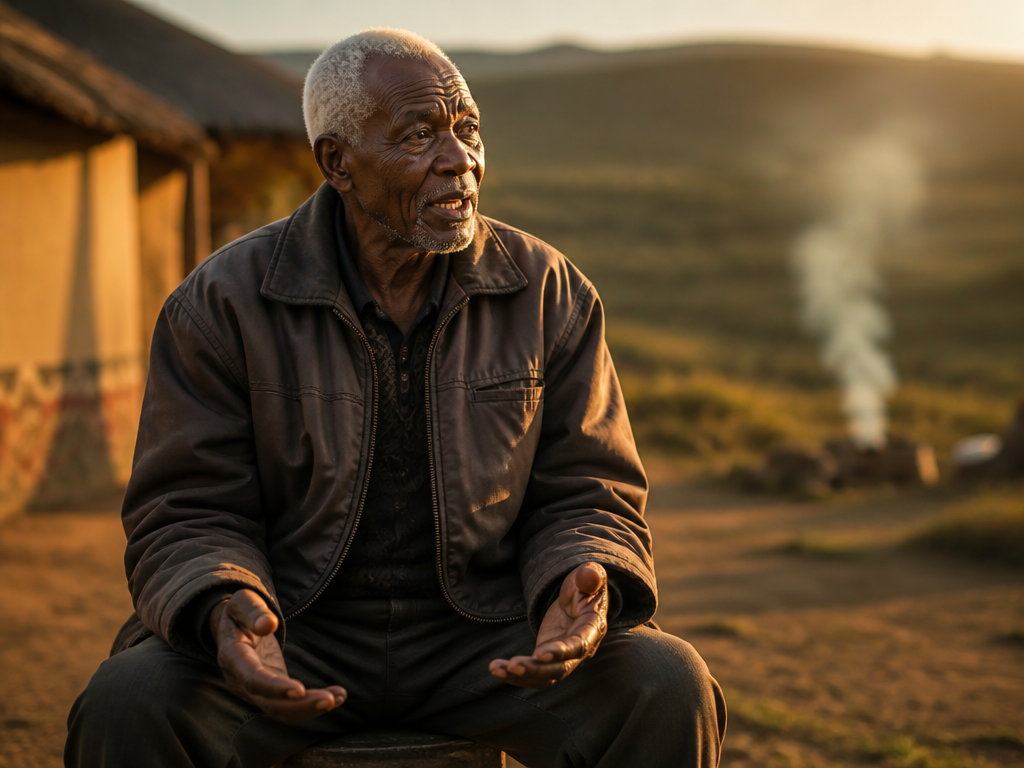
In more than one household I have sat in, an argument has ended the same way. Someone older, usually a woman, says one short sentence, and the room puts the fight down. Nobody voted.

In more than one household I have sat in, an argument has ended the same way. Someone older, usually a woman, says one short sentence, and the room puts the fight down. Nobody voted. Nobody cited a rule. The sentence simply weighed more than the argument did.
If you have spent time with Jungian archetypes, you already have a name waiting for that moment — the Great Mother, the nourishing-and-devouring figure Jung set near the floor of the psyche. I want to slow that reflex down, not because the name is wrong but because it labels the result and skips the process. In the traditions I draw on here — Akan, Igbo, Fulbe, Yoruba — a mother's moral authority is not simply issued with the title. It is assembled, step by step, and the steps are visible if you take them in order.
Is the Great Mother the same archetype in African traditions?
Not quite, and the difference is worth more than the resemblance. In Jung's reading, the Great Mother is a structure inside one psyche: a single person carries both the feeding pole and the devouring pole, and the labour of a life is to reconcile them privately, inwardly. Across much of West and Central Africa the same two poles are recognised just as sharply — but they are held between people rather than inside one, and the reconciling is done in public, by lineage, by ceremony, by the mouths of neighbours. That is not a regional variant of a Jungian idea. It is a different account of where a self is located.
Which is why the sequence matters. Here is how the authority accrues.
First: a gift that cannot be returned
It starts in the body, and the traditions say so plainly rather than delicately. Among the Akan of Ghana and Côte d'Ivoire, a person's mogya — blood — comes from the mother, and it is blood that makes you a member of an abusua (ah-boo-SOO-ah), the matrilineal clan you belong to for life. The father contributes ntoro, spirit. It shapes you, but it enrols you nowhere. Lineage, land, inheritance and succession run through women.
Notice what has happened before anyone has said a word about virtue. The mother has already given something the child structurally cannot give back: existence, and a place to stand in the world. Debt is the wrong word, because a debt can be settled. This is closer to an open account, and it is the ground everything after it is built on.
Then: the open account becomes a claim
An unrepayable gift converts, over time, into standing. This is the step readers trained in Western family models tend to skip, because in that model authority comes from office — the parent commands because the parent is in charge. In Akan practice, day-to-day household command often sits with the mother's brother, the wɔfa, not with her at all. Her authority is a different instrument entirely.
The Igbo of southeastern Nigeria compress it into a name people still give their daughters: Nneka (n-NEH-kah), mother is supreme. It is not a claim about who gives orders. It is a claim about where a person returns when everything else has failed — the mother's house, the mother's people, the place that has to take you in. Authority follows the obligation. The one who cannot refuse you is the one whose disappointment lands hardest.
Then: the pole that can withhold
Which means, precisely, that she can withhold — and traditions that take motherhood seriously do not pretend otherwise. The Fulbe (Fulani) epic of Njeddo Dewal (n-JED-doh deh-WAL), set down in writing by the Malian scholar Amadou Hampâté Bâ from oral tradition, gives the withholding pole a name and a full narrative body. She is called the mother of calamity. She has daughters, and the daughters are sent out to be desired; what they do is drain. She is maternal power organised entirely toward taking.
A Jungian will recognise the shadow half of the archetype immediately, and the recognition is fair. What is not fair is the older missionary-era reading, which treated figures like her as proof that African religion was fear-driven. The opposite is closer to true. A tradition that tells this story is a tradition that has already thought hard about what maternal power does when it answers to nobody, and has decided the danger is worth saying out loud, in front of children.
Then: the community does the integrating
Here the process departs from the psychology most of us were handed. Among the Yoruba of southwestern Nigeria and Benin Republic, the Gèlèdé (geh-leh-DEH) masquerade honours àwọn ìyá wa — our mothers — meaning elderly women, ancestral mothers, and Ìyá Nlá, the great mother standing behind them. Masked dancers, men, wear carved headdresses depicting women, and the performance is understood as praise offered to a power the community would rather have working for it than against it. Emphases differ from town to town, as they do in any living tradition.
Read that as a Jungian and something snaps into place. Gèlèdé is integration — both poles held at once, neither denied — except it is not happening inside anyone's head. It is happening in a town square, on a calendar, with an audience. The ambivalence is not repressed and then privately worked through. It is staged, addressed directly, and metabolised socially. Where Jung asks the individual to make peace with the mother inside them, this asks a town to make peace with the mothers among them, and to do it where everyone can see.
Last: authority without an office
Only after all of that does moral authority appear in the form we recognise: a woman whose verdict settles a matter over which she holds no formal power. The Akan give it institutional shape in the ɔhemmaa (oh-HEM-maa), the queen mother, who nominates candidates for the stool and keeps the right to rebuke a sitting chief in public. Yaa Asantewaa, queen mother of Ejisu, led Asante resistance against the British in 1900. But the ɔhemmaa is the visible tip of something that also runs through ordinary rooms, untitled.
That is the mechanism, in order: an unrepayable gift becomes a permanent claim, the claim implies a real capacity to withhold, the community acknowledges both in the open, and what settles out at the end is a voice that ends arguments.
Names and terms
- Abusua — Akan matrilineal clan; membership passes through the mother.
- Mogya / ntoro — blood, inherited from the mother; spirit, from the father.
- Wɔfa — mother's brother, who often holds household authority in Akan practice.
- Nneka — Igbo name and saying: mother is supreme.
- Njeddo Dewal — in Fulbe epic, the mother of calamity; the withholding pole given a story.
- Gèlèdé — Yoruba masquerade honouring "our mothers", danced by masked men.
- Ìyá Nlá — the great mother behind the mothers Gèlèdé addresses.
- Ɔhemmaa — Akan queen mother; nominates chiefs and can rebuke them in public.
If you are in a room tonight where an older woman's sentence ends the argument, ask yourself whether you are disagreeing with her judgment or with the account underneath it — those are two different arguments, and only one of them is actually about tonight.