HEAD Extreme 2026 Review – The Update That Finally Lets the Frame Speak
You hit the 2024 HEAD Extreme and spent the next three sets trying to feel the ball. Not feel it in the way a player means "I feel connected to the shot" — literally feel it.

You hit the 2024 HEAD Extreme and spent the next three sets trying to feel the ball. Not feel it in the way a player means "I feel connected to the shot" — literally feel it. The frame was so dampened, so insulated, that the ball left the stringbed like a thought that never became a sentence. You knew the spin was there because the ball kicked, but you couldn't feel why.
You are not alone in that. The 2024 Extreme was widely called a "good" racquet — stable, powerful, spin-friendly — but also somehow incomplete. It was the right spec sheet delivered through the wrong filter. And because HEAD's marketing leaned into the Auxetic 2.0 dampening story, many players assumed the disconnected feel was intentional, a feature they needed to adapt to.
A rumour started circulating among demo-habitues toward the end of 2025: the next Extreme would move away from that. The source was a pro shop stringer who'd handled a tour-player prototype, then a forum post, then a spate of second-hand 2024s hitting the classifieds. By the time HEAD officially announced Hy-Bor — a boron-reinforced graphite layup — the player grapevine had already decided the 2026 Extreme was going to feel different.
For once, the grapevine was right.
What Changed
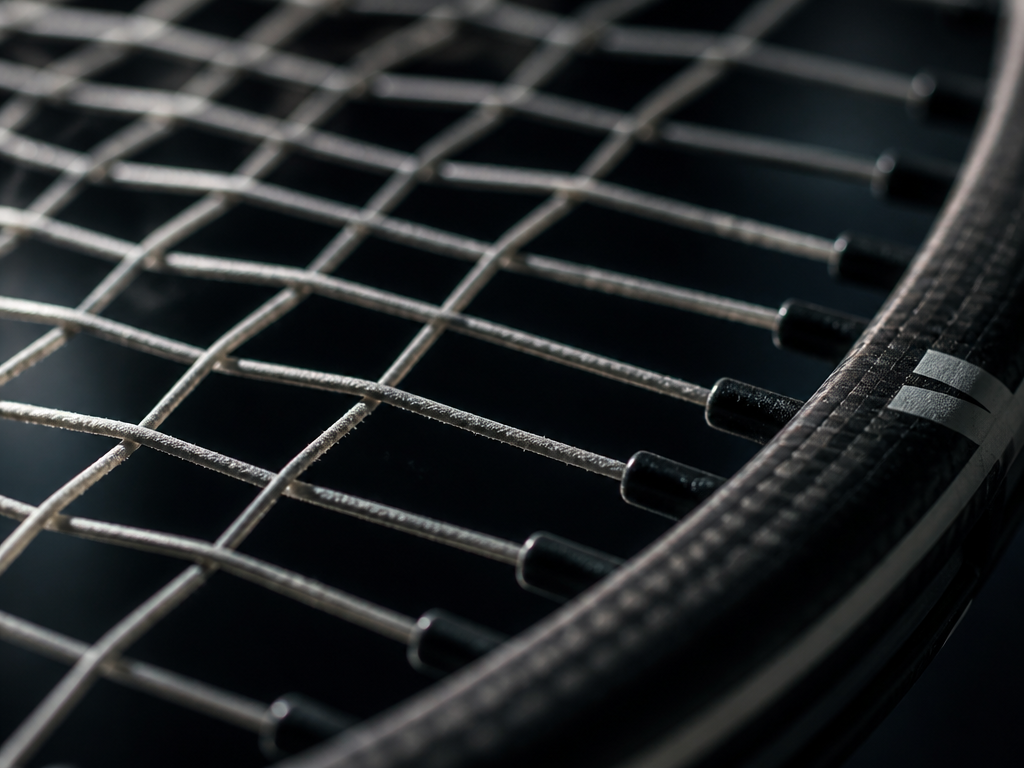
The headline is Hy-Bor, and you should care about it for one reason only: it lets the frame communicate. Boron fibres are stiffer than graphite, and HEAD has placed them at 12 o'clock and 2/10 o'clock in the hoop. The result is not a stiffer racquet overall — flex measurements sit close to the 2024 — but a hoop that finishes its job sooner and sends a cleaner signal back through the beam.
The second change is less marketed but equally important. HEAD adjusted the layup schedule around the throat, reducing some of the material that made the 2024 feel like hitting through wet wool. The throat is still stable — you won't get flutter on heavy balls — but it vibrates at a frequency your hand can read.
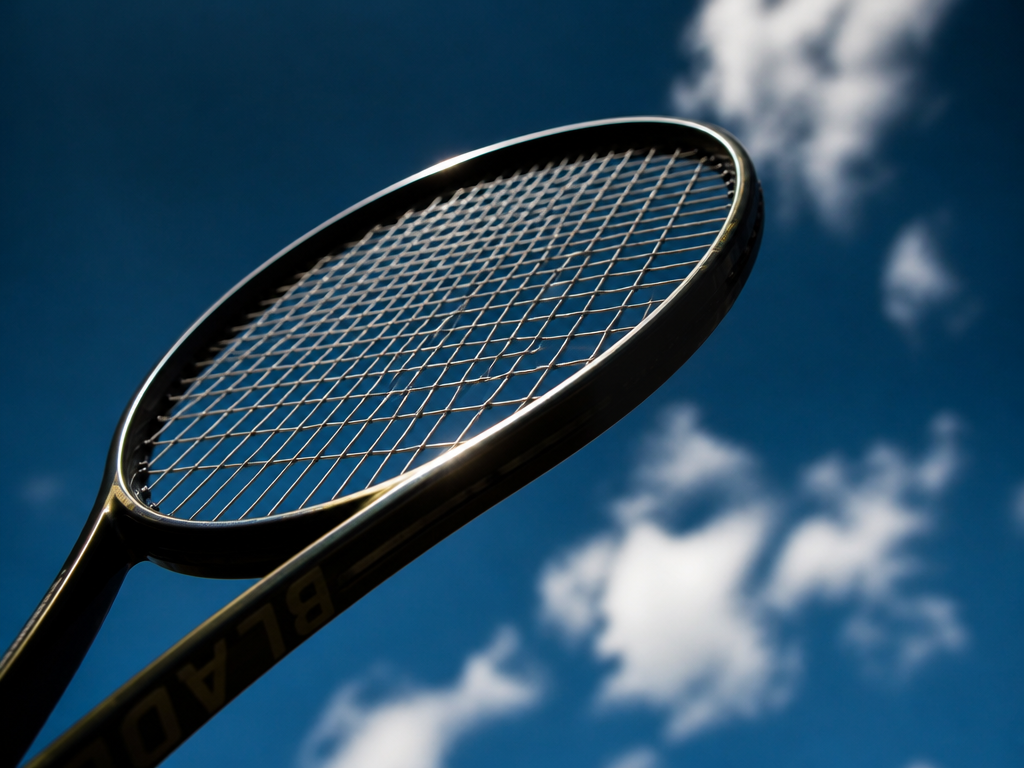
Everything else you know about the Extreme line remains: the 100-square-inch head, the 16x19 pattern, the spin-grommet channels that let the stringbed pocket deeply before snapping back. The cosmetic is polarising — neon-lime green with black-and-white geometric accents — but it looks purposeful on court and does not hide the ball in your peripheral vision.
The Models, One by One
MP – The Safe Bet
The Extreme MP (300g unstrung, 320mm balance) is the version most players should try first, and it is the most improved. The 2024 MP was competent but forgettable — a spin racquet that didn't feel like a spin racquet. The 2026 MP is what you wanted it to be: quick through the air, stable on off-centre hits, and, crucially, identifiable. You know where the ball is in the string pattern on every swing.
Upper hoop stability is the specific checkpoint. Frame a backhand slice wide; on the 2024, the top of the hoop would twist and the ball would float long. On the 2026, the twist is gone. The boron at 12 o'clock locks that area down without adding mass you have to drag through contact.
Best for: 3.5–4.5 players who want spin-friendly access, predictable power, and a frame that doesn't hide information. The stiffness is noticeable but not harsh — think 64 RA, not 70.
Concession: If you preferred the 2024 for its extreme dampening, the 2026 will feel too direct. Some players genuinely like not feeling miss-hits. This frame lets you feel them.
Pro – The Demanding Option
The Extreme Pro (310g, 315mm balance, 18x20) is the thin beam from the 2024 with the new layup, and it plays like a different racquet entirely. The 18x20 pattern in a 100-square-inch head is an unusual combination — dense enough for directional control, open enough to grab the ball — and the stiffer hoop brings out the pattern's personality. Line drives sit flatter. Drop shots require more precision but reward it.
This is not a frame for the player who wants free spin. The Pro demands a full swing and a clean contact zone. If you hit the centre of the stringbed reliably, you get a predictable, penetrating ball that stays low through the court. If you don't, the stiffness communicates your error clearly, without forgiveness.
The one-handed backhand player should pay attention here. The 18x20 pattern and stable throat give a slice that stays heavy and a topspin drive that tracks rather than floats. On lower, skidding balls — the ones that force a one-hander to lean and cut — the Pro holds its line.
Best for: 4.5+ players who drive through the ball and want a control-oriented 100 that still generates spin. Not for the player who relies on the stringbed to add RPM.
MPL – The Forgivable Entry
The MPL (285g, 330mm balance) is lighter, head-heavier, and more forgiving. It launches the ball with less effort, which is what it's designed to do. The same hoop stability carries over — the boron reinforcement works at any swing weight — but the lighter mass means you feel fast-twitch shots more in the handle.
Honest limitation: at higher pace against a heavy ball, the MPL gets pushed. The throat twists under a 4.5-level topspin drive in a way the MP handles. This is not a flaw; it is the trade-off for a frame you can whip through contact for three hours without fatigue.
MP XL – The Standout
The MP XL (27.5 inches, 305g, 325mm balance) is the frame that made me stop writing notes and start playing.
The extra half-inch adds 8–10 swingweight points — enough to feel substantial without losing racquet-head speed. The boron reinforcement matters more here because the longer hoop has more leverage to flex unpredictably; the 2026 XL does not flex unpredictably. It loads on contact, stores energy, and releases. The launch angle stays predictable across the stringbed from first set to third.
Serves are where the XL earns its place. The extra reach and higher swingweight let you hit spots with less effort on the flat serve, while the spin grommets still pocket the ball on kick and slice. Your arm will not be angry in the second set because the layup is plush enough — HEAD walked a careful line between stiffness and comfort.
The challenge is transitioning back to a standard-length frame. After two sessions with the XL, the regular MP felt like it was releasing the ball early, before I was ready. That is the strongest endorsement I can give: the XL makes the MP feel like a compromise.
Best for: Any player who can handle a 27.5-inch frame and wants more free power without losing feel. The 310g+ swingweight threshold means you need to be able to swing it for two-plus hours, but if you can, this is the model to buy.
How It Stacks Up
Versus the Yonex EZONE 100: The EZONE is plusher and more forgiving on centred hits, with a slightly higher launch. The Extreme MP is more communicative — you know where the ball is faster — and the spin window is wider. If you value comfort above all, the EZONE wins. If you value feedback and spin access, the Extreme edges ahead.
Versus the Babolat Pure Aero 100: The Pure Aero is spin-optimised in a way the Extreme cannot match — Babolat's woofer grommets and elliptical beam genuinely grab the ball harder. But the Pure Aero also has a narrower sweet spot and a harsher feel on off-centre hits. The Extreme is more forgiving across the hoop and more comfortable over two hours.
Versus the HEAD Radical MP: The 2026 Extreme MP plays like a more effective version of the Radical — similar control, similar predictability, but with more free spin and a slightly more forgiving upper hoop. If you have been on the fence between these two lines, the Extreme 2026 tilts the balance.
String and Tension Guidance
The stringbed is midsize open — 16x19 in a 100-square-inch head — and the spin grommets pocket deeply. A control-oriented multifilament at 23kg (51lbs) gives predictable power and good feel. If you string poly, stay at 22–23kg (48–51lbs); higher tensions lock the stringbed and reduce the spin window. The frame does not punish low tensions the way some stiffer frames do, so err down if you are between numbers.
The Rule of Thumb
The 2026 HEAD Extreme does not claim to fix your game. It claims to let you feel the ball, and it delivers on that claim. If you hit the 2024 and wondered whether the sport had simply become more muffled, the 2026 is worth your demo money — not because the specs are revolutionary, but because HEAD stopped filtering the signal.
Trust the frame that doesn't hide what you did wrong. It will teach you faster than the frame that lets you guess.